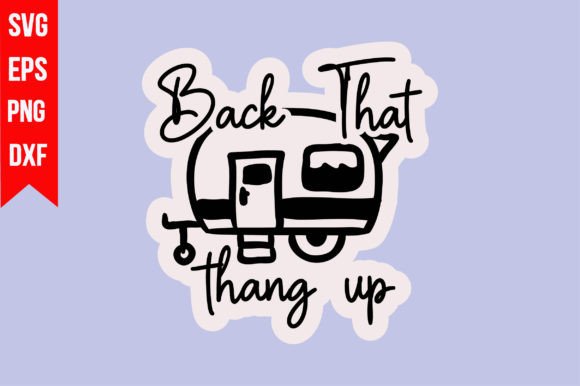
Back That Thang Up Graphics for T-Shirt Designs
As a brand designer with years of experience in local business projects, I recently came across the Back That Thang Up graphic design asset. This SVG file is an instant download cutting file compatible with Cricut and Silhouette machines, making it ideal for custom t-shirt designs, product labels, and promotional materials. Its bold, playful style immediately caught my attention, suggesting a brand personality that’s fun, confident, and ready to stand out.
The Mood and Personality of Back That Thang Up
Back That Thang Up carries a strong, energetic vibe that leans into modern design with a touch of humor. It feels like a visual statement rather than just a graphic—perfect for brands looking to make a bold impression. The design suggests a friendly, approachable brand that doesn’t take itself too seriously but still maintains a sense of professionalism. It could work well for a bakery, a coffee shop, or a handmade soap business aiming to connect with a younger, more casual audience.
This graphic design asset has a versatile feel that can be adapted to various branding styles. Whether you're working on a seasonal campaign or a year-round product line, Back That Thang Up offers a fresh perspective that can elevate your small business branding efforts.
Real-World Applications for Local Business Design
Back That Thang Up is more than just a t-shirt design—it's a flexible tool that can be used across multiple aspects of a local business’s visual identity. For example, if you're designing packaging for a boutique skincare brand, this graphic can serve as a decorative element on product labels, hang tags, or even as a background for promotional flyers.
It also works well as a hero graphic for social media graphics or website banners. When paired with a clean font and complementary brand colors, it adds visual interest without overwhelming the message. In a food business context, such as a cupcake shop or a craft brewery, this design can be used on menus, price lists, or seasonal packaging to create a cohesive brand identity.
For handmade businesses, Back That Thang Up can be printed as a printable design for custom stickers, thank-you cards, or even as part of a product mockup. Its scalability makes it suitable for both large and small applications, ensuring it remains clear and legible at any size.
Supporting Business Presentation and Brand Identity
One of the key strengths of Back That Thang Up is its ability to support stronger first impressions. In a competitive market, having a visually striking design can make all the difference in attracting customers and building trust. This graphic design asset helps establish a consistent brand identity by offering a recognizable visual element that can be reused across different marketing channels.
When used in packaging design, it enhances product recognition and creates a more polished look. For a small business owner, this means better shelf appeal and a more professional presentation. It also supports clearer visual hierarchy, ensuring that important information stands out while maintaining a cohesive aesthetic.
Additionally, Back That Thang Up can help build a stronger emotional connection with customers. A well-designed graphic can evoke feelings of excitement, nostalgia, or joy, which are essential for creating a memorable brand experience.
Where Back That Thang Up Works Best
Back That Thang Up shines in applications where it can act as a focal point. It’s ideal for product labels, packaging accents, and promotional banners where it can draw attention without competing with other elements. As a decorative brand element, it adds character to a brand’s visual language, especially in industries like home decor, children’s products, or seasonal campaigns.
It also works well as part of a product mockup, allowing designers to visualize how it will look on different surfaces. For social media campaigns, it can be used as a background graphic or a header image, helping to maintain a consistent brand aesthetic across digital platforms.
Where to Use Back That Thang Up Carefully
While Back That Thang Up is a versatile graphic design asset, there are situations where it may not be the best fit. In formal corporate branding, where minimalism and clarity are key, this design might feel too bold or distracting. Similarly, it should be avoided in very small labels or crowded product packaging where it could become unclear or lose its impact.
In layouts with a lot of text, such as ingredient-heavy labels or legal information areas, it’s best to use this graphic sparingly or in a simplified form. Low-contrast backgrounds can also make it difficult to see, so it’s important to test it against different color schemes before finalizing a design.
For luxury minimalist brands, where simplicity is paramount, Back That Thang Up may not align with the desired aesthetic. In these cases, a cleaner, more understated design would be more appropriate.
Practical Designer Notes for Using Back That Thang Up
Before incorporating Back That Thang Up into a real small business project, it’s essential to test it on actual packaging mockups. This ensures that it looks good in real-world conditions and meets the needs of the target audience. Checking black and white usage is also important, as some designs may lose their effectiveness when converted to grayscale.
Previewing the graphic on small labels or product mockups can help determine if it remains legible and impactful at reduced sizes. Testing it with different brand colors will show how it adapts to your existing palette, while comparing it with competitor packaging can highlight its unique value proposition.
Reviewing PNG transparency and inspecting SVG or vector editability ensures that the file is ready for use in various design software. Testing it beside different font styles—serif, sans serif, script, handwritten, or display fonts—can help find the best combination for your brand’s visual identity.
Finally, always confirm the commercial license before using this design asset for client work, business branding, or physical product sales. Ensuring proper licensing protects both the designer and the business from potential legal issues down the line.