Birthday Boy Level Up: Retro Graphics & T-Shirt Designs
When I first opened the Birthday Boy Time to Level Up Retro Desi file, I immediately recognized that familiar feeling of discovering a design asset that had been built with real publishing workflows in mind. As someone who spends most of my day inside Canva, Photoshop, and various content management systems, I have grown accustomed to sorting through hundreds of graphic design assets that simply do not hold up when placed inside an actual blog layout or website header. This one felt different from the start. It carried a confident, playful energy that made me think about how it would perform across multiple publishing touchpoints, from Pinterest pins to digital guides and everything in between.
First Impressions and Editorial Mood
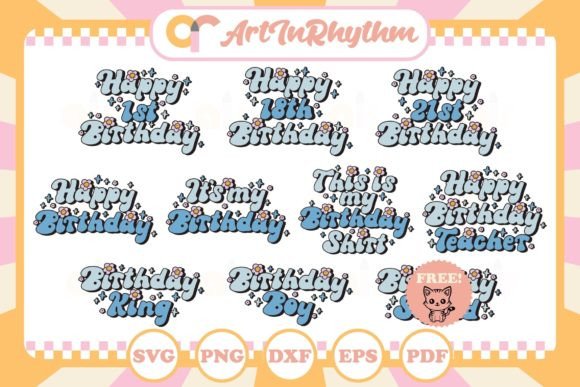
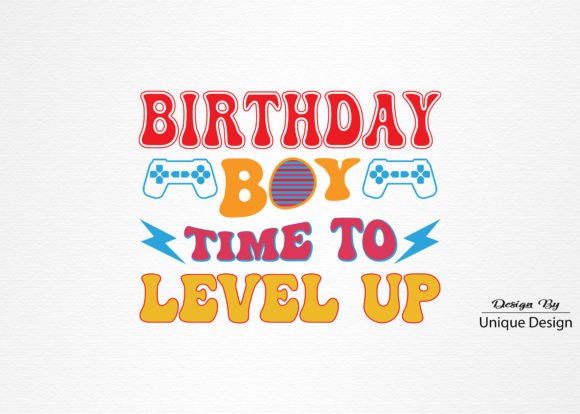
The Birthday Boy Time to Level Up Retro Desi design strikes a balance between nostalgic charm and modern visual communication. The retro aesthetic is immediately recognizable, but it does not feel dated or overly niche. It leans into a celebratory, lifestyle-focused mood that feels both personal and polished. For content creators working in lifestyle blogging, parenting content, birthday party planning, or even small business branding, this asset offers a visual voice that is warm, energetic, and approachable. It does not try to be serious or corporate, and that is precisely its strength. It creates an emotional entry point for readers, helping them feel the occasion before they even read a single headline.
The editorial mood here is playful yet intentional. It is the kind of design that works beautifully on a blog post about milestone birthdays, digital party invitations, or even a downloadable printable guide for planning a celebration. It feels handcrafted without being sloppy, and that is a rare combination in the world of digital downloads and creative marketplace offerings. If you are building a content website that depends on reader trust and visual warmth, this design asset can help establish that tone from the very first impression.
Where This Asset Fits in a Real Publishing Workflow
Let me walk you through how I tested Birthday Boy Time to Level Up Retro Desi inside my own content pipeline. I started by pulling it into a draft blog post about milestone birthday celebrations. I used it as the featured image, then created a matching Pinterest pin, a newsletter banner, and a simple social media graphic. The design held up across every format. It did not lose its visual clarity when scaled down to a thumbnail, and it did not feel overwhelmed when placed beside headline text. That kind of versatility is exactly what I look for when I recommend design assets to other bloggers, affiliate marketers, and online educators.
This asset is naturally suited for several specific publishing situations. It works as a blog graphic for featured images and article headers, especially in content categories like family life, celebrations, personal milestones, or lifestyle advice. It also performs well as a Pinterest pin because the retro style catches the eye in a crowded feed. For newsletter graphics and email headers, it adds a personal touch that can increase open rates and click-through potential. I also tested it inside a digital guide about party planning, and it worked beautifully as a section divider and cover image. If you create lead magnets or printable designs, this asset can easily become the visual anchor of your download.
How the Design Supports Content Performance
Visual communication is not just about looking good. It directly affects how readers perceive your content and whether they choose to engage with it. When I placed Birthday Boy Time to Level Up Retro Desi onto a draft blog layout, I noticed an immediate improvement in visual hierarchy. The design drew the eye toward the headline without competing with it. That is a sign of a well-constructed graphic design asset. It knows when to take the lead and when to support the text.
For content marketers and affiliate marketers, this matters deeply. A stronger first impression means better click-through rates on social media, higher engagement on email campaigns, and more time spent on page. The brand identity that this asset helps build is consistent, warm, and memorable. If you are working on small business branding or building a content website that needs to stand out in a crowded niche, using design assets like this one can give you a professional edge without requiring a full design team.
I also noticed that the asset supports category recognition. When readers see a consistent visual style across your blog posts, they begin to associate that look with your voice and your expertise. That kind of visual identity is hard to build with generic stock graphics, but it feels natural when you use a cohesive set of design assets like this one. Whether you are creating social media graphics, digital products, or website headers, this asset can help you maintain that thread of visual consistency.
Best Use Cases and a Few Cautionary Notes
In my testing, Birthday Boy Time to Level Up Retro Desi performed best in these specific placements:
- Hero images and article thumbnails where the retro style can shine without competing with too many other visual elements
- Pinterest pins and social media previews where stopping power is essential for engagement
- Newsletter headers and email banners that benefit from a warm, celebratory tone
- Digital guides and lead magnets where the design can serve as a cover or section opener
- Category visuals and blog graphics for milestones, birthdays, or personal celebration content
- Printable designs and downloadable resources where the retro aesthetic adds a handmade feel
That said, I want to offer a few honest notes about where this asset should be used with care. On small mobile thumbnails, the finer details of the retro style can become less readable, so test it at various sizes before committing. If your blog layout uses a busy background or multiple competing colors, this design may feel visually crowded. It also may not be the right fit for serious professional niches like corporate consulting, legal advice, or financial planning, where a more minimal visual system would serve better. For websites that need a very clean, restrained aesthetic, the playful nature of this asset could feel out of place. Always consider your brand identity and the expectations of your audience before integrating any new design asset.
Practical Publisher Notes for Real Use
Before you add Birthday Boy Time to Level Up Retro Desi to your content library, I recommend running through a few practical checks. First, test it on both desktop and mobile screens. I opened it inside a real blog layout and resized the browser window to see how it behaved. It held up well, but I did notice that on very small screens, the design needed more breathing room around it. Second, preview it as a thumbnail. If you plan to use it for category images or archive pages, make sure the visual message is still clear at smaller sizes.
I also tested this asset beside several font styles. It paired nicely with serif fonts for a classic feel and sans serif fonts for a cleaner modern look. It worked with script fonts and handwritten fonts for a more personal touch, but I would avoid using it with overly ornate display fonts that compete for attention. The contrast and readability were solid, but I recommend checking your specific color palette against the design to ensure it does not get lost. Try converting it to black and white as well, just to see if the compositional strength holds up without color.
From a technical standpoint, review the file size before adding it to your website. Large design assets can slow down page load times, which hurts both user experience and search engine performance. Compress the image properly while keeping the visual quality intact. And perhaps most importantly, confirm the commercial license before using it on monetized websites, affiliate pages, or paid content products. If you are building a digital product like an eBook or a printable guide, you need to know exactly what the license allows. The same applies if you are creating Canva templates or design assets to sell to others. Licensing clarity protects your work and your business.
Final Thoughts on a Versatile Design Asset
After spending time with Birthday Boy Time to Level Up Retro Desi inside real publishing workflows, I can confidently say it is a strong addition to any content creator's toolkit. It brings a distinct visual energy that supports editorial design, web design, and content marketing goals without demanding excessive customization. It is the kind of asset that saves time while elevating the overall look of your blog, newsletter, or digital shop. For bloggers, affiliate marketers, online educators, and creative entrepreneurs who want their content to feel polished and clickable, this design delivers on multiple fronts. It is not just a pretty graphic. It is a functional piece of visual communication that earns its place in a real content ecosystem.